Why MealStack exists
Fueling is training
Four ideas hold up everything this app does. Here is where they came from, and what I got wrong first.
The short version
I spent years showing up for every session and quietly failing my training on the other twenty-two hours of the day.
Then I sat in a nutrition seminar at the Shaw Strength Summit in Estes Park and heard Nathan Payton say it plainly. I am paraphrasing: if you are not eating properly, you are failing your training. Eating is part of your training.
That sent me home and rebuilt how I eat. It also sent me looking for an app to manage it, and when I could not find one, I built this one. The four ideas below are the whole model. Everything MealStack does comes from one of them.
Fueling is training.
Protein has no storage tank. Stack it across the day, and never send it out alone.
Your pre-workout meal is equipment, not a snack. It anchors backward from when you train and holds its time.
Flights, time zones, a session that moved to 8pm. Change the day to rest, move the session, swap the plate, keep going.
Log when you eat, not when it was due. Today shows what actually landed, so tomorrow is built on the real day.
I am not a doctor or a dietitian. Nothing here is advice about how you should eat. This is what I learned and how I manage my own diet. The full disclaimer is at the bottom, where you can hold me to it.
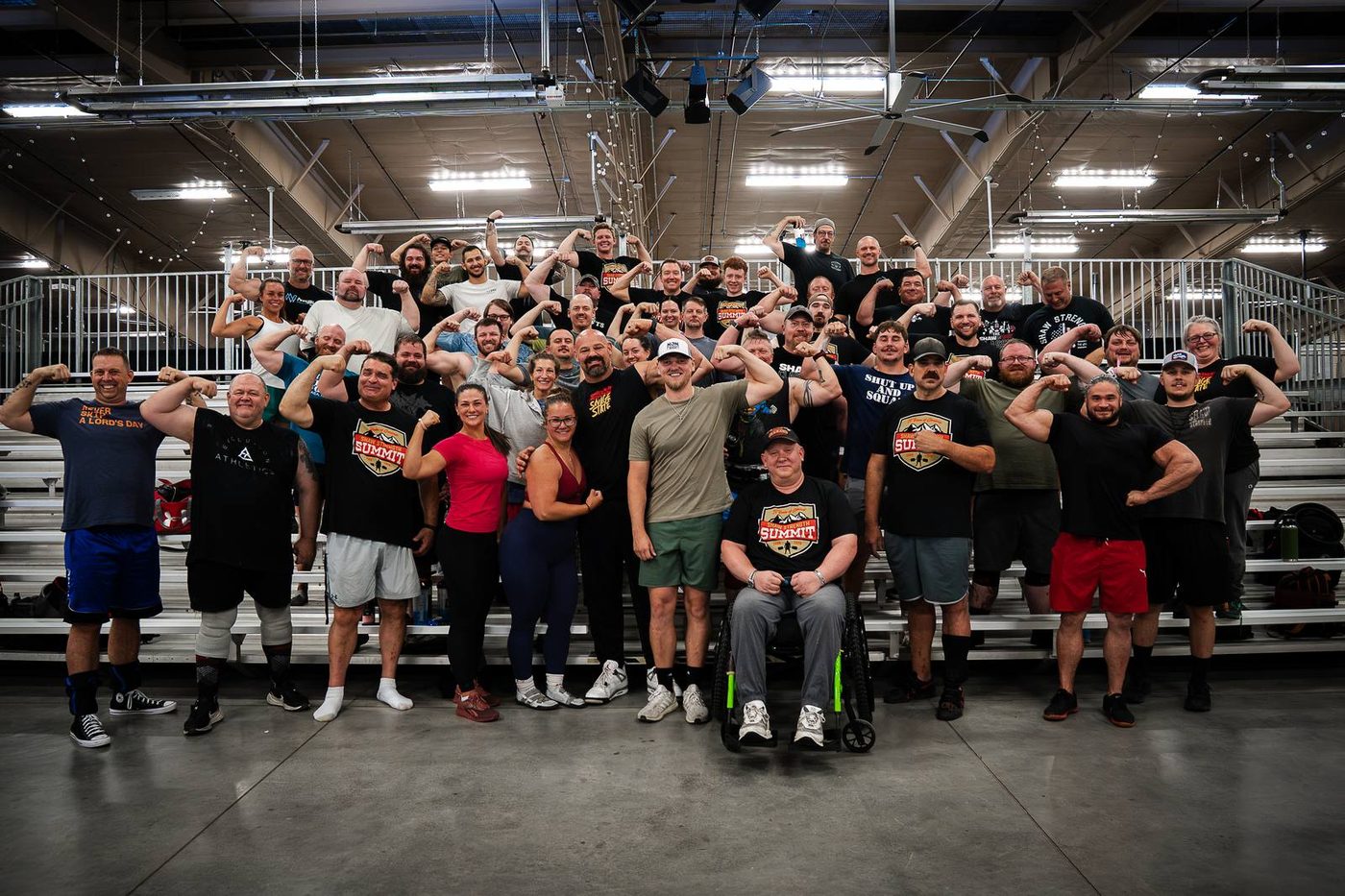
Why Nathan Payton
If the name is new to you: Nathan is the winningest nutritionist in professional strongman history. Eight World’s Strongest Man titles among his clients, including Brian Shaw, Martins Licis, and Tom Stoltman.
He is not selling a trend. He has been feeding the strongest humans on the planet for two decades, and he will tell you the plan is mostly boring on purpose.
Protect the protein
Pillar 01
Your body stores fat. It stores carbohydrate as glycogen. It does not store protein the same way. There is a small circulating pool of amino acids, and when that pool runs dry your body goes looking for the next available source. That source is you.
So if you eat 160 grams of protein in two sittings and nothing for the other twelve hours, you are not covered. You had a good total and a bad day. The spreadsheet says you hit your macros. Your body disagrees.
That is half of it. Here is the half that actually changed how I eat.
For years my answer to “get more protein” was a shake. Two scoops, water, drink it in the car, feel productive. What I did not understand is that eating protein does not mean your body builds anything with it. Amino acids burn like anything else, and when you are short on energy that is exactly what happens to them. No carbohydrate around? The liver makes glucose out of amino acids instead. That is gluconeogenesis, and it does not care what you bought those amino acids for.
Researchers call the flip side the protein sparing effect, and it has been studied for decades. Nitrogen balance, the crude measure of whether you are holding onto body protein or losing it, tracks energy intake almost as closely as it tracks protein intake:
- Carbohydrate appears to do the work through insulin, which puts the brakes on protein breakdown and on the liver’s push to manufacture glucose.
- Fat appears to do it by giving the liver free fatty acids to burn instead of your amino acids.
Training raises the stakes. Run low on glycogen and amino acid oxidation climbs during the session. The International Society of Sports Nutrition notes that lean, resistance-trained lifters in a calorie deficit may need 2.3 to 3.1 grams per kilogram of bodyweight, well above the usual 1.6, precisely because the deficit is eating into the protein. That same position stand recommends spreading protein across the day, every three to four hours.
The sparing effect is a whole-day story, not a per-meal rule, and a shake between two real meals is not a crime. Mine was, though. It was replacing meals, not joining them. I was hitting a respectable protein number inside an energy hole and wondering why nothing moved.
So: five meals, spread out, each one carrying a carb and a fat.
Protein is the building material. Carbs and fat are what keep you from burning the building material for heat.
Protect the session
Pillar 02
I train in the evening now, and an evening session on an empty tank is a wasted session. You feel it in the third set of squats. The bar is the same weight it was last week and it moves like it gained thirty pounds.
So I surge carbs before I train. My go-to is embarrassingly simple: two Rice Krispies treats. Fast, cheap, easy to travel with, and they do not sit in my gut like real food does an hour before a heavy day.
Nathan owns that one, by the way. He is the guy who put Rice Krispies treats in strength athletes’ gym bags 25 years ago. Every lifter you see eating one before a heavy single is downstream of him whether they know it or not.
Here is the part most food apps miss. That meal is not a snack you fit in somewhere. It is equipment, and it has a time. You would not start your warmup forty minutes late and call it the same warmup. The pre-workout meal is the same deal. It anchors to your session, and when the rest of the day drifts, it does not.
Protect the day
Pillar 03
This is where every tracker I tried fell apart on me. I travel. A lot. What I need on the road:
- Real time, not clock time. When I land in a different time zone, a 6:00 PM reminder means nothing. What matters is how long since I last ate and how long until I train.
- Substitutions that take ten seconds. I prep my meals, then I am in a hotel with my prepped food sitting in a refrigerator in Pittsburgh. Swap in what is actually in front of me, off a menu, without rebuilding the day.
- A week that can change shape. Move a session, flip a day to rest when the day goes sideways, change which days I train.
A plan that only works at home is not a plan. It is a nice idea you abandon on the first business trip.
Adapting is not cheating. It is the difference between a plan that lasts a week and one that lasts a year.
Protect the record
Pillar 04
Log when you eat, not when it was due.
This one sounds like bookkeeping and it is not. If you log lunch at its planned time because that is tidier, you have taught yourself nothing, and you then tune tomorrow against a day that never happened. The honest log is not a virtue exercise, it is the input. It tells you where the gaps actually are, which meal you keep missing, and whether the pre-workout window is holding on a normal week.
It is also the reason there are no streaks in this thing. A streak rewards you for tapping the button, and the easiest way to keep one alive is to lie a little.
So I built MealStack
MealStack is a meal timing tracker for people who train. It is not a nutrition app and it does not want to be. I needed time and macros, and nothing else.
The core idea is the anchor. You set your training session, your pre-workout meal anchors backward from it, and everything else slides to fit as you log. Eat late and the rest of the day adjusts. Move the session to 7:00 and the whole stack moves with it.
The four pillars map straight onto what it does:
- Protein. Meals stacked through the day, macros on every plate, notifications so the next one finds you.
- Session. The pre-workout anchor that holds its time while other meals slide.
- Day. Flip a day to rest, change your training days, swap a plate from a menu or a photo, keep your saved meals in the Kitchen.
- Record. Log at the real time, see what actually landed today, judge the week on what happened.
It does not track micronutrients, count your streak, gamify your logging, or tell you what diet to follow. There are good apps for all of that. This is not one of them.
A SwiftUI iPhone app in private beta, with a small group of testers putting real travel miles on it. It goes open source at 1.0. There is an AI coach in it for adjusting on the road, and that coach costs real money to run, so the price is not settled yet. I would rather say that plainly than promise free and walk it back later. This log is dated; the MealStack page carries the current answer on price and license.
The disclaimer, in full
I am not a doctor. I am not a dietitian. I am not qualified to tell you how to eat, and none of this is advice.
Everything above is what I learned, what I changed, and how I manage my own diet while training for strongman in my garage. If you want to know what you should eat, go talk to Nathan or someone else who does this for a living, and go talk to your physician. I am a guy who lifts and builds software, and those are the only two things I am claiming to know.
What I will say is this. I trained for years while treating food as an afterthought, and the day I stopped doing that, the training got better. Not because I found a secret. Because I stopped leaving half the work undone.
Protein · Session · Day · Record
Fueling is training.